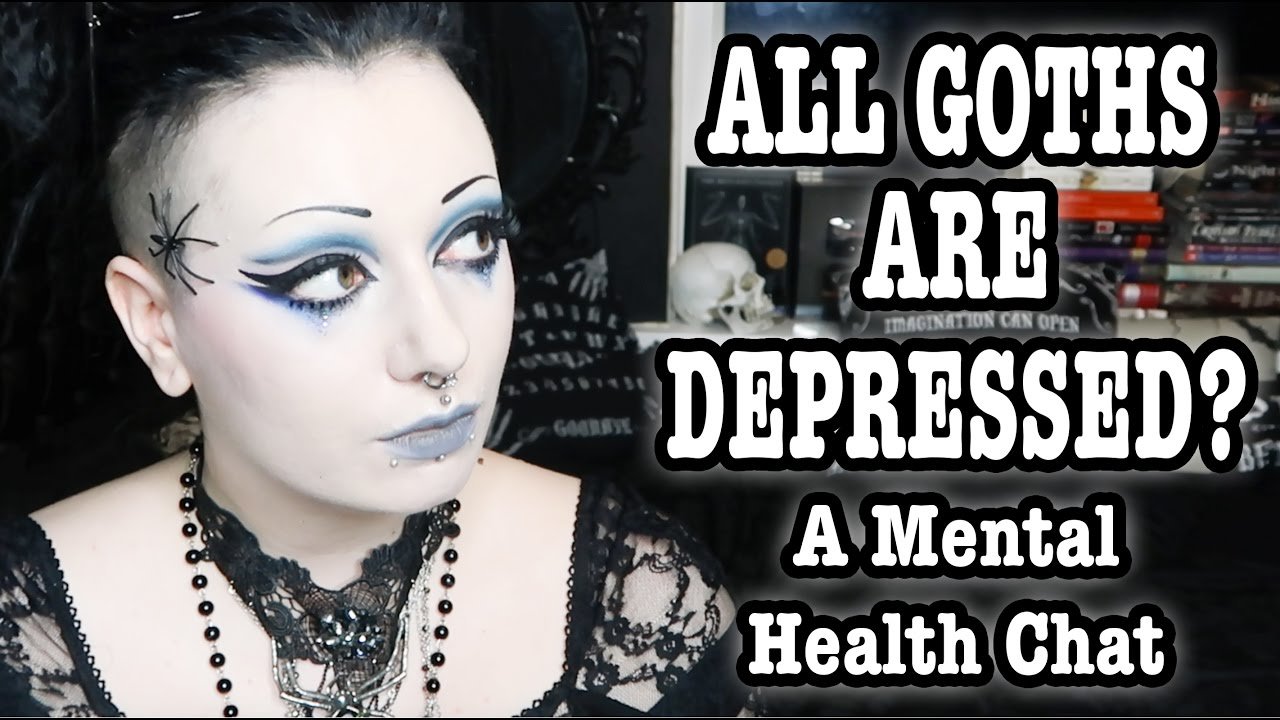
Exploring stereotypes can often reveal misconceptions, and the notion that all Goths are depressed is one that needs addressing. You are about to embark on a journey with Toxic Tears, where the aim is to shed light on the realities of the Goth community and dismantle harmful stereotypes. Goth culture, often misunderstood, is actually a vibrant and expressive community that transcends what some might assume.
Alongside addressing stereotypes, there’s an essential message about mental health. If you ever feel burdened or down, reaching out for help is vital, regardless of your subculture or style. Toxic Tears shares words of support — you’re not alone, and there are always avenues available for assistance. Embrace the spirit of the Goth community, which celebrates individuality, and let’s work together to replace harmful misconceptions with understanding and acceptance.
Understanding the Gothic Subculture
Origins and History of the Goth Movement
When you delve into the origins of the Gothic subculture, you’re stepping into a world rich with history and transformation. Emerging from the post-punk scene of the late 1970s and early 1980s, the Gothic movement has its roots firmly planted in the music of bands like Bauhaus, Siouxsie and the Banshees, and The Cure. These groups, with their dark, melodic sounds and introspective lyrics, laid the groundwork for what would become the Gothic subculture. This movement provided a unique space for individuals who felt disconnected from mainstream society, offering a community where darker elements of fashion, music, and art were not only accepted but celebrated. As you explore further, you’ll find that the history of the Goth movement is one of continual evolution, always embracing new influences while retaining its core ethos of individuality and depth.
Key Characteristics and Aesthetics
The Gothic subculture captivates with its distinctive characteristics and aesthetics, drawing you in with its allure of mystery and elegance. You might notice the dark, often black clothing that forms the foundation of Goth fashion. This is frequently complemented by dramatic makeup, including heavy eyeliner and pale foundation, creating a stark contrast that commands attention. Yet, beyond the visual, it’s the embrace of themes like romance, melancholy, and introspection that truly define the Goth aesthetic. Whether through literature, art, or music, Goths explore the beauty in the macabre and the profound in the melancholy. This balance of darkness and beauty, of light and shadow, invites you to look beyond the surface and appreciate the complexity within the subculture.
Diverse Expressions within the Goth Community
As you further immerse yourself in the Gothic community, you’ll find a tapestry of diverse expressions that defy simple categorization. While some may lean towards the traditional Victorian-inspired Gothic style, others might embrace elements of cyber goth with its futuristic influences. There’s also the romantic goth, with an affinity for Victorian and Edwardian clothing, and the deathrocker, who combines punk elements with classic Goth. Each expression within the community speaks to the personal journey of the individual, showcasing how the subculture provides a platform for creativity and self-exploration. This diversity is a reminder that the Gothic subculture is not monolithic; instead, it celebrates the rich variety of ways individuals can connect with its aesthetic and ideals.
The Stereotype: Goths and Depression
Origins of the Stereotype Linking Goths to Depression
As you navigate the complex narrative surrounding Goth culture, you may encounter the stereotype that links Goths to depression. This simplistic association has its roots in misunderstandings of the Goth aesthetic and its thematic focus on darker, more introspective subject matter. The subculture’s fascination with mortality, melancholy, and the gothic themes of literature and art can be misinterpreted by those unfamiliar with the movement. The tendency to equate the Goth aesthetic with emotional disturbance reflects a superficial reading of a much deeper cultural phenomenon. As you dive deeper, you’ll find that this stereotype doesn’t account for the joy and community many find within the subculture.
Media Representation of Goths
Media representations often perpetuate the stereotype of Goths as depressed or troubled individuals. If you look closely, you’ll notice how TV shows, movies, and even news outlets have historically depicted Goths as outcasts or emotionally unstable characters, reinforcing misconceptions rather than offering nuanced portrayals. These representations often focus on the superficial aspects of the subculture—like dark clothing—without delving into the rich tapestry of community and artistic expression. It’s crucial to recognize these portrayals for what they are: incomplete snapshots that can mislead and perpetuate stereotypes rather than reflect the true diversity and depth within the Goth community.
Common Misconceptions and Myths
Even as you engage with the Gothic community, common misconceptions and myths may arise, prompting further exploration and understanding. The belief that all Goths are nihilistic or obsessed with death fails to capture the subculture’s complex relationship with themes of life and mortality. Similarly, the assumption that Goths shun happiness or positivity is a misinterpretation of their appreciation for all facets of human experience, including the darker ones. As you learn more, you’ll find that many Goths are drawn to the subculture for its embrace of creativity, individuality, and the beauty in complexity, rather than any singular emotional state.
Psychological Perspective: Understanding Depression
Defining Depression and Its Symptoms
To truly understand the stereotype linking Goths to depression, it’s vital to grasp what depression actually entails. Clinical depression, also known as major depressive disorder, is a medical condition characterized by persistent feelings of sadness, hopelessness, and a lack of interest in activities. Alongside these emotional symptoms, individuals may experience physical symptoms such as fatigue, changes in appetite, or difficulty concentrating. Recognizing these symptoms is an essential step in understanding that depression is a complex and multifaceted condition influenced by a variety of factors, rather than a simple result of cultural affiliation or aesthetic expression.
Factors Contributing to Depression
When exploring the factors contributing to depression, you’ll discover a complex interplay of genetic, environmental, and psychological components. Biological factors such as genetics and brain chemistry can play a significant role, while traumatic life events or chronic stress are environmental contributors. Additionally, underlying mental health conditions, substance abuse, and even societal expectations can exacerbate depressive tendencies. It’s crucial to acknowledge that while cultural contexts, like membership in a subculture, may intersect with these factors, they are not sole determinants of one’s mental health status.
Mental Health Statistics across Subcultures
As you investigate mental health statistics across different subcultures, it becomes clear that no single community is immune to depression or other mental health challenges. Studies show that mental health conditions can affect individuals across all cultural, racial, and social spectrums. However, what differs is the way subcultures might address and communicate about mental health. Within the Goth community, for example, there’s often a heightened awareness and openness to discussing darker themes, which some find cathartic and supportive. It’s important to approach such statistics with a nuanced understanding, keeping in mind the diversity and individuality present within any group.
This image is property of i.ytimg.com.
Impact of Stereotyping on Mental Health
The Effects of Labeling and Stigmatization
When you consider the impact of labeling and stigmatization on mental health, it becomes apparent that these actions can have profound negative effects. Being pigeonholed into a stereotype can lead to feelings of isolation and invalidation, contributing to a negative self-image. This is particularly true when stereotypes are linked to mental health issues, as they can discourage individuals from seeking help or expressing their true selves. Understanding the weight of these labels prompts greater empathy and a call to action to actively dismantle misconceptions.
Internalized Stereotypes and Self-Perception
If you’ve ever encountered internalized stereotypes, you know how they can color your perception of yourself. People who frequently face stereotyping might begin to subconsciously absorb and accept those narrow views as truths about their identity. This can lead to a cycle of self-doubt and anxiety, impacting both self-esteem and mental health. Within the Goth community, where artistic and personal expression is valued, these internalized stereotypes can stifle creativity and authenticity, making it vital to support narratives that reaffirm individual identity over stereotypical assumptions.
Mental Health Consequences for Stereotyped Groups
The mental health consequences for those who belong to stereotyped groups can be substantial, affecting both personal and community well-being. The persistent stress of countering negative stereotypes can lead to increased feelings of anxiety, depression, and alienation. For Goths, this might mean battling assumptions about their mental stability or intentions, which could discourage them from openly participating in mainstream society. By acknowledging these consequences, you can help foster an environment where people are free to express themselves without fear of judgment or mislabeling.
Personal Stories from the Goth Community
Experiences of Being Stereotyped
Personal stories from the Goth community paint a vivid picture of the challenges and triumphs within this diverse group. If you were to ask, many Goths could recount times they were misunderstood or judged based on their appearance. These experiences of being stereotyped often reveal feelings of frustration, yet also resilience as they navigate a world that frequently misinterprets their subculture. By sharing these stories, you contribute to a broader understanding that challenges superficial judgments and embraces a more compassionate perspective.
Voices Challenging the Depression Narrative
Amidst the voices in the Goth community, you will undoubtedly hear those that boldly challenge the depression narrative. These individuals speak openly about the joy, camaraderie, and empowerment they find within their subculture, countering the assumption that Gothic aesthetics equate to inherent sadness. Through blogs, videos, and personal testimonies, they illustrate the positive, multifaceted nature of the community, advocating for a dialogue that encompasses all aspects of their experiences rather than focusing solely on stereotypes.
Celebrating Diversity within Goth Culture
In celebrating the diversity within Goth culture, you’re invited to recognize the multitude of perspectives and stories that define this community. From the young individual finding solace in expressive fashion to the elder statesman reflecting on decades of evolving styles, each voice contributes to the rich tapestry that is Goth culture. By focusing on this diversity, you help dismantle monolithic views and appreciate the vibrant, dynamic nature of a community united by an appreciation for depth and individuality.
The Role of Creative Expression in the Goth Community
Art and Poetry as Forms of Expression
Art and poetry play a central role in the creative expression within the Goth community, offering you profound insights into their inner world. Many Goths find solace in painting, drawing, and writing, using these mediums to explore themes of love, loss, and rebirth. This artistic outlet not only allows for self-discovery but also fosters connection with others who resonate with similar themes, highlighting the subculture’s emphasis on creativity and depth.
Music’s Influence and Healing Power
Music is the lifeblood of the Goth community, offering both influence and healing power. If you pay attention, the lyrics and melodies within Gothic music often delve into complex emotional landscapes, providing validation and comfort to listeners. Whether it’s the somber tones of post-punk or the ethereal sounds of darkwave, the music fosters a sense of belonging, allowing individuals to find strength and solace within its chords. This healing power further emphasizes the positive aspects of Gothic expression.
Fashion as a Tool for Personal Empowerment
Fashion within the Goth community transcends mere aesthetics, acting as a powerful tool for personal empowerment. The deliberate choice of clothing and accessories allows you to forge an identity that reflects your inner self, challenging societal norms and expectations. This form of self-expression not only reinforces individuality but also fosters a sense of confidence and pride. By embracing Gothic fashion, individuals assert their right to be seen and appreciated for who they truly are.
Challenging the Stereotype
Public Initiatives and Awareness Campaigns
To effectively challenge the stereotype of Goths as perpetually depressed, public initiatives and awareness campaigns can play a pivotal role. These efforts work to educate the broader public about the richness and diversity within the Goth community, highlighting the subculture’s positive contributions and challenging misconceptions. By fostering open dialogue and collaboration, such campaigns bring about greater understanding and appreciation, painting a more holistic picture of Goth culture.
Education and Advocacy Strategies
Education and advocacy strategies remain crucial tools in dismantling stereotypes about the Goth community. By incorporating Gothic history, music, art, and fashion into educational programs, you can promote a more nuanced view that celebrates the subculture’s contributions to the broader cultural tapestry. Advocacy groups within and outside the community further this mission by amplifying voices that challenge negative narratives and highlight stories of empowerment and creativity.
Role of Social Media in Shaping Perceptions
Social media serves as a powerful platform for shaping perceptions of the Goth community, offering you direct access to personal stories, art, and music that illustrate the depth and diversity of the culture. Goths use these platforms to share aspects of their lives and counteract stereotypes by creating authentic representations of their experiences. By engaging with these narratives, you join a conversation that broadens understanding and dismantles harmful preconceptions.
Prominent Figures in the Goth Scene
Influential Goth Artists and Musicians
The Goth scene boasts a wealth of influential artists and musicians who have shaped the subculture’s evolution. Figures such as Robert Smith of The Cure and Siouxsie Sioux of Siouxsie and the Banshees have created timeless music that has resonated with fans across generations. Their work exemplifies the fusion of emotional depth and musical innovation that defines Gothic music, offering you an artistic legacy that continues to inspire new generations.
Activists and Advocates for Mental Health
Within the Goth community, you’ll find activists and advocates who are passionately committed to mental health awareness. These individuals work tirelessly to erase the stigma surrounding mental health issues, often sharing their own experiences to foster understanding and compassion. By supporting initiatives that promote mental well-being, they not only echo the values of empathy and inclusivity within the Gothic subculture but also contribute to a broader cultural conversation.
Community Leaders and their Contributions
Community leaders within the Goth scene make invaluable contributions that foster unity, creativity, and support. Through organizing events, curating art shows, or participating in discussions about identity and mental health, these leaders create spaces where you can freely express yourself and connect with others. Their efforts ensure that the Goth community remains a vibrant, inclusive haven where individuality and diversity are celebrated.
Resources for Goths Struggling with Mental Health
Hotlines and Support Networks
If you or someone you know within the Goth community is struggling with mental health, hotlines and support networks are invaluable resources. These organizations offer confidential support and guidance, providing a lifeline for those in need. Reach out to mental health hotlines in your area to speak with professionals who can provide assistance, ensuring that help is always just a call away.
Community Groups Offering Support
Community groups within the Goth scene can also offer support for those dealing with mental health challenges. These groups often provide safe spaces for open dialogue, allowing individuals to share their experiences and find solace in the community. By connecting with these groups, you can access peer support and understanding from those who have walked similar paths.
Therapies and Treatment Options Available
Exploring therapies and treatment options can empower you in managing mental health concerns. From counseling and cognitive behavioral therapy to medication and holistic practices, there are numerous paths to mental well-being. Engaging with healthcare professionals to tailor a plan that suits your needs ensures that you receive the support necessary to thrive.
Conclusion
Reaffirming Diversity and Individuality in Subcultures
As you navigate the complex landscape of cultural stereotypes and personal identity, it becomes crucial to reaffirm the diversity and individuality present within subcultures like the Gothic community. By recognizing and celebrating these unique expressions, you contribute to a broader culture that values creativity and authenticity over conformity and misconceptions.
The Need for Continued Dialogue and Understanding
There remains an ongoing need for dialogue and understanding in bridging gaps between different cultural communities. By engaging in discussions and remaining open to learning, you cultivate empathy and ultimately expand your perspective, fostering a world where differences are seen as strengths rather than weaknesses.
Emphasizing Support and Acceptance for All
Lastly, the importance of support and acceptance for all cannot be overstated. By championing these values, you help create inclusive environments where everyone feels empowered to express their true self without fear of judgment or rejection, promoting a culture of acceptance and care that benefits us all.