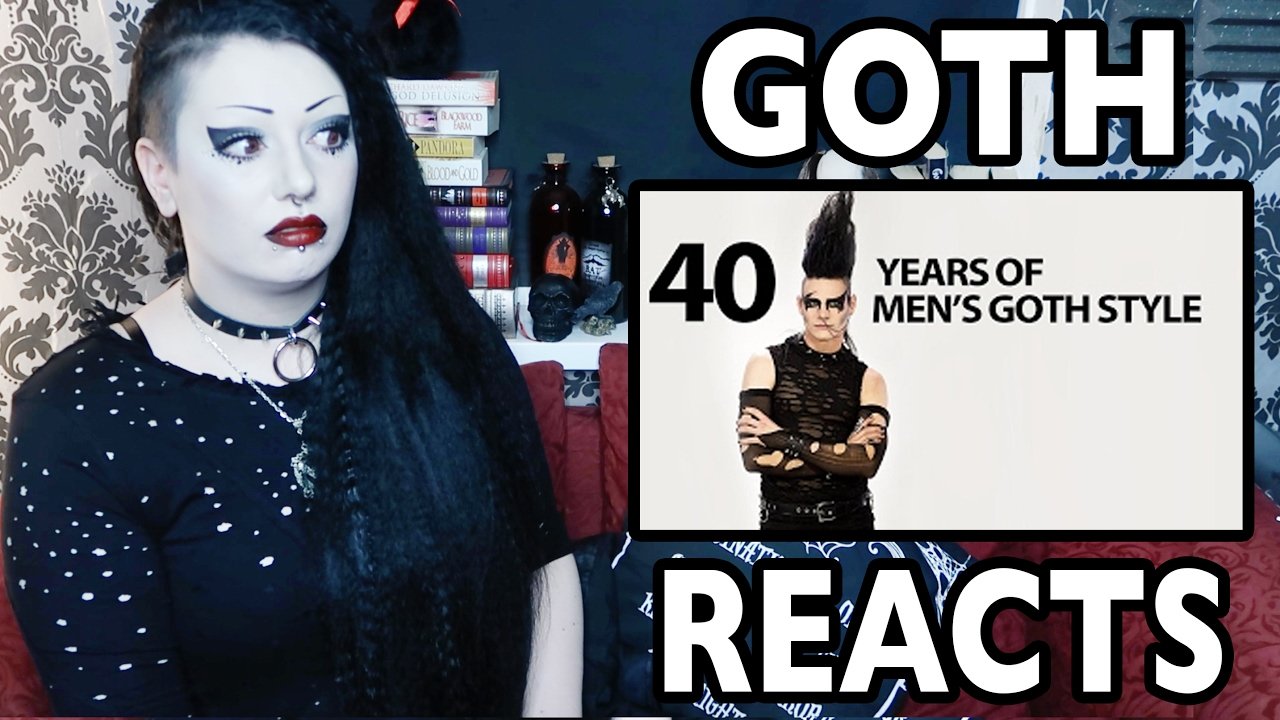
You’re invited to a fascinating exploration of men’s goth fashion, spanning an incredible 40 years with the sharp insights of Toxic Tears. This journey is brought to life by Kaya, a well-known figure in the goth community, whose expert commentary and personal style bring a unique perspective to the evolution of goth aesthetics. From the birth of the goth scene to its modern-day incarnations, you’re about to experience how goth style has changed and yet remains an ever-enigmatic presence.
Alongside Kaya’s reflections, you’ll be offered glimpses into her world through her distinct style choices, lifestyle tips, and engaging story-telling. Whether you’re a long-time goth enthusiast or someone curious about the gothic culture, this piece promises to deepen your understanding and appreciation of the goth fashion narrative. So, buckle up as you embark on this stylishly dark adventure through decades of goth fashion evolution.
Overview of Goth Fashion Evolution
Brief history of the goth subculture
The goth subculture began to take shape in the late 1970s and early 1980s, emerging from the punk rock scene. It embraced a darker aesthetic, celebrating themes of mystery, romanticism, and introspection. The word “goth” often conjures images of shadowy attire, brooding music, and a penchant for the macabre. Emerging in post-punk Britain, goth offered an alternative to the more mainstream musical and fashion choices of the era. It was a refuge for those seeking something profound and enigmatic, allowing for personal expression through its unique blend of music, literature, and fashion.
Influence of music and art on goth fashion
Music was a driving force behind the goth subculture, with bands like Bauhaus, Siouxsie and the Banshees, and The Cure providing the soundtrack to the scene. These musicians not only inspired with their sound but also their distinct visual styles, marked by dark clothing, dramatic makeup, and theatrical flair. Art, too, played a significant role, with influences from gothic literature and Renaissance art contributing to the aesthetic. The fashion of goths is thus a tapestry woven from various cultural threads, emphasizing individuality and a shared appreciation for the darkly beautiful.
Transition and adaptation over decades
As the decades rolled on, goth fashion evolved while maintaining its core elements. It adapted to cultural shifts and technological advancements, each era adding its unique twist to the time-honored style. From its gritty rock origins in the 1980s to a more polished presence in the 2000s, goth fashion has proven itself resilient and diverse. Today’s interpretation continues to innovate, blending traditional elements with modern sensibilities, signifying both change and continuity within the subculture.
The 1980s: The Dawn of Goth
Emergence of gothic rock
The 1980s were critical for the development of gothic rock, a genre characterized by its somber tones and introspective lyrics. Bands such as Bauhaus and Joy Division were pioneers, crafting a unique sound that was darker and more melancholic than the punk rock from which it evolved. The music spoke to themes of existential dread and longing, coupling these with haunting melodies that captured the imagination of youth yearning for depth and authenticity.
Iconic style elements of the era
Fashion in the 1980s goth scene was distinct and instantly recognizable. Black was the dominant color, worn in layers that created a dramatic silhouette. Lace, leather, and velvet were popular materials, adding texture and a touch of romanticism. Accessories often included silver jewelry, crucifixes, and other symbols of mysticism. Hair was styled in big, teased arrangements, and makeup was bold — heavy eyeliner and starkly pale foundation heightened the otherworldly appearance.
Key influencers and bands
The decade was defined by influential figures who embodied and expanded the goth aesthetic. Siouxsie Sioux, with her bold eye makeup and intense presence, was a fashion icon, while Robert Smith of The Cure became synonymous with the look through his disheveled hair and smudged lipstick. These artists, among others, not only shaped the music but also set the tone for what it meant to be goth, creating archetypes that would influence the subculture for generations.
1990s: Diversification and Mainstream Influence
Integration into mainstream fashion
The 1990s saw goth fashion begin to inch its way into mainstream consciousness. Grunge, with its own underground roots, shared elements with goth, such as an appreciation for dark colors and an anti-establishment attitude. Designers like Alexander McQueen brought goth aesthetics into the high fashion realm, interpreting its motifs with couture sensibility. This era marked a unique convergence where goth styles could be appreciated both on the fringes and within broader fashion circles.
Subgenres and diversification within goth
During this time, the goth scene diversified into various subgenres. Styles like cyber goth and romantic goth emerged, each bringing its own twist to the classic look. Cyber goth integrated futuristic elements and neon colors, often incorporating technology-themed accessories, while romantic goth emphasized flowing, Victorian-inspired attire. This diversification allowed for tailored self-expression among goths, accommodating evolving personal tastes and cultural influences.
Notable goth fashion icons
The ’90s introduced new icons in goth fashion, with artists such as Marilyn Manson challenging societal norms and pushing the boundaries of goth aesthetics. His androgynous look and shocking performances encapsulated a new rebellious spirit, drawing both admiration and controversy. In contrast, actresses like Winona Ryder in films like “Beetlejuice” and “Edward Scissorhands” illustrated goth’s cinematic appeal, further broadening its reach into popular culture.
This image is property of i.ytimg.com.
The 2000s: Commercialization and Subculture Resistance
Rise of gothic fashion in retail
With the turn of the millennium, goth fashion became more commercially available. Stores like Hot Topic began to sell goth-inspired clothing and accessories, making it accessible to a broader audience. While many embraced this availability, others within the goth community felt a sense of resistance, fearing the dilution of the subculture’s unique identity and ethos. This tension highlighted the ongoing balance between maintaining authenticity and navigating mainstream popularity.
Resistance within the goth community
Resistance within the goth community manifested in a push to maintain the distinctiveness of goth culture. Many enthusiasts valued the DIY (do-it-yourself) ethic, creating their own clothing and accessories to preserve originality. Online forums and local goth gatherings provided spaces to share ideas and support one another in sustaining the subculture’s essence amid increasing commercialization.
Influence of media and the internet
The internet became a vital tool for the goth community, enabling connections across great distances and offering new platforms for expression. Websites, blogs, and social media allowed goths to showcase their styles and explore global influences. Media portrayal of goths varied, often oscillating between admiration and misunderstanding, yet it undeniably played a role in promoting goth culture to new audiences and sparking a renewed interest.
2010s: Revival and Innovation
Re-emergence of classic goth styles
The 2010s witnessed a revival of classic goth styles, with many enthusiasts looking back to the roots for inspiration. This nostalgia brought back beloved elements like Victorian-inspired lace and corsetry, combined with modern twists. Fashion increasingly celebrated vintage goth aesthetics, integrating them with contemporary design sensibilities to craft a refreshed yet respectful homage to the past.
Introduction of innovative fashion elements
Innovation took center stage as designers experimented with unconventional materials and bold silhouettes. The barrier between goth fashion and technology blurred, leading to creations that incorporated wearable tech elements. This era saw goth fashion become more inclusive and adaptive, welcoming diverse expressions from all corners of the world, reflecting an ever-evolving global stage.
Role of social media in fashion revival
Social media dramatically influenced goth fashion, with platforms like Instagram and YouTube becoming pivotal for sharing style ideas and fostering communities. Influencers like Kaya Lili, known as Toxic Tears, brought goth fashion to life through vlogs and tutorials, offering personal insights and connecting with followers. These platforms allowed for the democratization of fashion, empowering individuals to inspire or be inspired, no matter their location.
Present-Day Goth Style: A Personal Reflection
Current trends in men’s goth fashion
Today’s men’s goth fashion continues to be dynamic, drawing from historical and contemporary influences. Current trends include oversized silhouettes, avant-garde tailoring, and the integration of streetwear elements. Gender fluidity in fashion is embraced, allowing for an inspirational mix of traditionally male and female styles. The fashion remains dark yet strikes a balance with playful and experimental elements that welcome individuality.
Personal insights from Toxic Tears
Toxic Tears provides a personal lens on the contemporary goth scene, bringing a friendly and approachable voice to the fashion conversation. Her reflections on men’s gothic style capture the heart of the community — celebrating its diversity, creativity, and the freedom it offers to express one’s authentic self. Toxic Tears acknowledges the impact of historical influences while advocating for innovation and personal flair, emphasizing that goth fashion is a personal journey, not just an aesthetic.
Impact of global culture on goth style
The influence of global culture on goth style can be seen in its adoption and adaptation across diverse cultures. Elements from Japanese street fashion, Scandinavian minimalism, and Eastern European folklore have all enriched the goth scene, creating a tapestry of styles that reflect its expansive reach. This cross-cultural exchange shaped by travel, immigration, and digital platforms highlights goth fashion’s universal appeal and its potential for continued evolution.
Influential Designers and Brands
Prominent designers shaping goth fashion
Designers like Gareth Pugh and Rick Owens have made significant contributions to goth fashion, blending traditional elements with avant-garde flair. Their work defies conventions, often incorporating dark, sculptural shapes and pushing the boundaries of fabric use. These designers exemplify the spirit of innovation and creativity central to goth fashion, inspiring countless others to push their limits.
Key fashion brands within the goth scene
Brands such as Demobaza, Killstar, and Lip Service have established themselves as pillars of the goth fashion ecosystem, each offering unique perspectives on what it means to be goth. These brands provide enthusiasts with the tools to express individuality while acknowledging the roots of goth fashion. Through thoughtful design, they maintain both relevance and reverence for the culture they serve.
The interplay between fashion and identity
Goth fashion is not merely about clothing; it is an extension of identity. It offers a sanctuary where personal and societal identities can merge and flourish. Enthusiasts use fashion to explore, challenge, and express their truths, with designers and brands offering a canvas upon which to create these expressions. For many, goth is a way of life, reflecting values of non-conformity, introspection, and community.
Men’s Goth Style Across Different Cultures
Variations of goth style across countries
Men’s goth styles exhibit fascinating variations as they travel across different cultural landscapes. The exaggerated, dark opulence of European goth can contrast sharply with the minimalist, clean lines favored by Japanese goths. These differences enrich the global goth community, showcasing how a shared love of darkness can manifest uniquely in varied contexts. Each culture adds a new dimension to goth style, creating a mosaic of influences that highlight the diversity of thought and expression worldwide.
Cultural influences and adaptations
Cultural influences are vital to the adaptation of goth style, as each country brings its traditional sartorial elements into the fold. In Latin America, elements from indigenous cultures and colonial history interweave with goth aesthetics, resulting in hybrid styles that reflect a rich heritage. This process of adaptation is evidence of goth’s flexibility and enduring appeal, allowing for personal narratives to flourish within the framework of a global subculture.
Global goth fashion events
Events such as the Wave-Gotik-Treffen in Germany serve as melting pots of goth culture, drawing enthusiasts from around the globe to celebrate their shared love and unique interpretations. These gatherings foster a sense of belonging and provide a platform for creative exchange, where aesthetics, ideas, and innovations passionately collide. Global events affirm goth’s place as a dynamic and inclusive community, constantly evolving and adapting.
Personal Stories and Experiences
Journeys of male goth fashion enthusiasts
Male goth fashion enthusiasts often describe their journey as one of self-discovery and empowerment. Goth fashion provides a safe space to challenge traditional notions of masculinity and freely explore different facets of identity. Many recount the transformative power of adopting goth style, gaining confidence through clothing that feels authentic and reflective of their inner world.
Challenges and acceptance in society
Despite the empowerment goth fashion can offer, enthusiasts occasionally face societal challenges, such as stereotyping or misunderstanding. However, many find solace in the goth community’s acceptance and support. Goth culture prides itself on inclusivity, creating an environment where individuals feel empowered to be themselves without judgment. This acceptance is a core pillar, affirming the depth and resilience of the subculture.
Toxic Tears’ personal experiences with goth fashion
Toxic Tears shares her personal journey through the lens of goth fashion, detailing how it has shaped her identity and artistic expression. She speaks candidly about the challenges faced within a society that often misunderstands goth culture, highlighting the importance of community support. Her experiences emphasize the transformative power of fashion as both a personal refuge and a bridge to connect with like-minded individuals.
Conclusion and Future of Gothic Fashion
Summary of the evolution of men’s goth style
Men’s goth fashion has evolved remarkably, continually redefining itself over decades while holding steadfast to its roots. From its inception in the music-driven landscapes of the 1980s to its current iterations influenced by global cultural exchanges, goth fashion remains both a reflection of its past and a beacon of innovation. It is defined by its embrace of darkness and individuality, principles that have propelled its lasting influence.
Predictions for the future of goth fashion
Looking ahead, goth fashion is poised to continue evolving, driven by new technologies, cultural exchanges, and individual creativity. Advances in wearable tech and sustainable materials offer avenues for innovation, while global communication fosters a more connected and collaborative goth community. It is likely that goth’s influence will only grow, as new generations find within it a powerful means of self-expression.
Final thoughts and personal messages from Toxic Tears
Toxic Tears leaves you with a message of encouragement and vitality, celebrating the unique beauty and creativity inherent in goth fashion. She urges you to embrace your individuality unapologetically and to draw inspiration from the rich tapestry of goth culture and its evolution. You are invited to forge your path, knowing that goth fashion is as much about personal truth as it is a communal celebration of diversity, resilience, and artistic spirit.