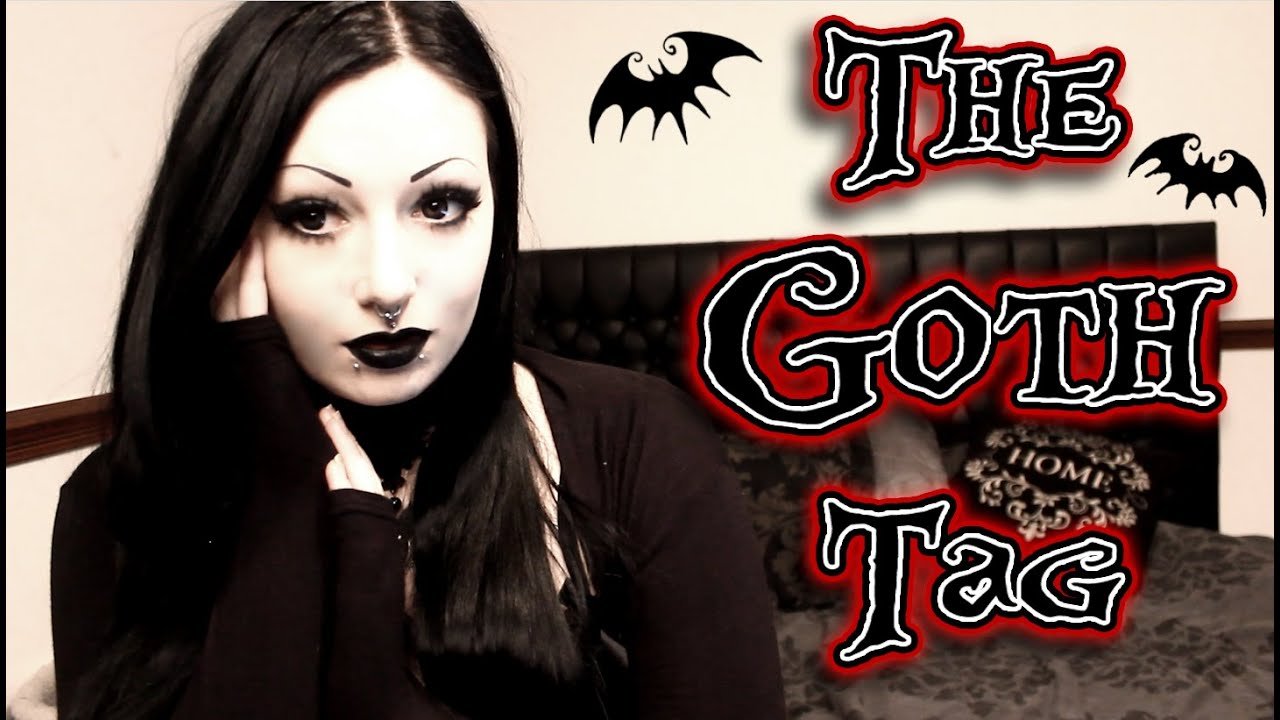
Dive into the intriguing world of goth with “The Goth Tag” video by Toxic Tears, a journey filled with insights and personal stories. If you’ve ever wondered about the life and aesthetics of the Gothic subculture, you’re in the right place. Toxic Tears answers frequently asked questions, from personal experiences like “How long have you been goth?” to lighter inquiries such as “Eyebrow or no eyebrows?”
This article will guide you through the key points discussed in the video, offering a peek into various Gothic subgenres and the cultural foundations they rest upon. You’ll also uncover what it’s like to be goth from Toxic Tears’ perspective, including the highs and lows and how their family views this unique lifestyle.
This image is property of i.ytimg.com.
The Origin of ‘The Goth Tag’
Explanation of ‘The Goth Tag’ concept
Imagine, if you will, stepping into a world where identity is not just worn, but woven with threads of music, fashion, and deep personal expression. ‘The Goth Tag’ is a concept that belongs to this world—a simple yet profound way to articulate one’s journey within the gothic subculture. It’s like a set of questions or themes that help you, and others in the community, explore and share the depths of your goth identity. Whether it’s a self-reflection on your journey or an engaging conversation starter, ‘The Goth Tag’ serves as both a mirror and a bridge.
Purpose and popularity of such tags in online communities
In online communities, these tags function like the friendly exchanges you have at gatherings. They invite participation and foster a sense of belonging. You might remember how connecting over shared passions feels, and ‘The Goth Tag’ works just that way. It’s especially popular because it not only allows members to introduce themselves but also to explore the rich tapestry of goth culture through each other’s experiences. This popularity isn’t about numbers, but rather about creating a supportive tapestry of voices celebrating individuality.
How ‘The Goth Tag’ became associated with Toxic Tears
Toxic Tears, with her captivating presence and relatable narratives, breathed life into ‘The Goth Tag’. She transformed it from a set of questions into a communal experience on her platforms. Her articulation of goth culture, combined with her personal tales, made the tag synonymous with her name. For many, Toxic Tears has become the face of this movement, embodying both the strength and vulnerability that the goth community values so deeply. Her influence has made ‘The Goth Tag’ a warmly embraced identifier within the subculture.
Who is Toxic Tears?
Brief background on Toxic Tears
If you walk through the digital halls of goth content, you’re likely to encounter Toxic Tears—a vibrant personality known for her gothic fashion, makeup tutorials, and lifestyle vlogs. Born Kaya Lili, she has become a significant figure within the goth community, sharing her life and goth journey with an authenticity that resonates with audiences worldwide. Her moniker, Toxic Tears, is a perfect blend of the aesthetic she embodies and the emotional depth she explores.
The influence of Toxic Tears in the goth subculture online
Toxic Tears has woven herself into the very fabric of the online goth culture. Her candidness in videos and posts has created a space where many young goths feel understood and included. Through her open dialogue and creative expression, she has influenced countless people to explore and embrace their unique identities. Her presence speaks to the transformative power of sharing one’s journey and the impact it can have on a community eager for representation.
Platforms where Toxic Tears is most active
You’ll find Toxic Tears most active on YouTube, where her channel serves as a beacon for those navigating goth culture. Her content extends to other platforms like Instagram and Tumblr, where she shares daily snapshots of her life, offering a glimpse into her world beyond the screen. These platforms allow her to stay connected with her followers, providing a continuous stream of inspiration and interaction, making them key spaces for her influence.
How long have you been goth?
Discussion on personal goth journey
Embarking on your goth journey is like setting sail into uncharted waters, each experience a new discovery. Whether your voyage began years ago or you’re just now casting off, each person’s path is uniquely theirs, colored by personal tastes, influences, and those small moments that spark lifelong passions. Reflecting on how long you’ve been goth invites you to revisit the stepping stones that brought you to where you are today.
Significance of this question in understanding one’s goth identity
Asking “How long have you been goth?” is like asking when you first felt at home in your skin. It’s a question that gently probes the timeline of your identity, revealing layers of self-discovery and acceptance. It acknowledges that goth is not merely an aesthetic but a journey, a personal evolution that defies the strictures of time and convention. Answering it can help solidify your place within the community while honoring your own narrative.
Impact of the duration on an individual’s experience within the subculture
Your time within the goth subculture can shape your experience profoundly. Whether you’re a ‘baby bat’ just stretching your wings or a seasoned goth with a history of lived experience, your journey influences your tastes, your understanding of subcultural dynamics, and your contribution to the community. Time fosters deeper connections and a richer appreciation for the heritage and diversity within the goth world, influencing both personal growth and cultural engagement.
Introduction to the Goth Subculture
Historical background of the Goth subculture
Imagine stepping back to the late 1970s, a time when post-punk music began to echo through urban landscapes, giving birth to this now-vibrant subculture. The goth subculture emerged from the shadows of these sounds, drawing on themes of Romanticism, gothic horror, and existential inquiry. This historical backdrop sets the stage for a culture rich in depth and darkness, inviting those who, like you, feel a connection with the melancholic beauty of its origins.
Evolution and diversity within the subculture over time
As you traverse the history of the goth subculture, you’ll notice an evolution marked by diversity and adaptation. What began with music has blossomed into varied expressions, from fashion and art to literature and film. Every decade has introduced new elements. Yet, through each transformation, the essence remains—an embrace of the introspective and the unconventional. This evolution celebrates the myriad ways to exist within the goth world, reflecting its inclusive and adaptable nature.
Connection between alternative fashions and musical influences
Alternative fashion and music are like threads in a tapestry that bind the goth subculture together. You might notice how a particular band influences your style or how a fashion trend resonates with the music you love. These elements feed into each other, creating rhythms and patterns unique to the goth culture. From the dark elegance of Victorian-inspired attire to the punk-influenced ensembles, each style tells a story enriched by its musical counterpoints.
Exploring Gothic Subgenres
Overview of various gothic subgenres
As you delve deeper, you’ll find that the goth subculture isn’t monolithic. It’s a mosaic of subgenres, each with its own style, sound, and ethos. Whether it’s the ethereal, otherworldly feel of ethereal wave or the gritty, industrial edge of cyber goth, each subgenre offers a different pathway for exploration. This delightful array invites you to find, or even blend, elements that resonate with your personal taste and identity.
How Toxic Tears identifies within these subgenres
Toxic Tears, with her signature style, navigates these subgenres with a distinct flair. She often melds traditional goth influences with more modern twists, reflecting the diverse and evolving nature of the community. Through her YouTube channel and social media presence, she shares her personal mix, celebrating the creativity and freedom that comes with embracing one or many of these subgenres.
The role of music and fashion in defining subgenres
Music and fashion act like compasses, guiding you through the landscapes of each gothic subgenre. They define the aesthetics and attitudes that characterize each segment of the goth world. Music provides the soundtrack—be it the haunting soundscapes of darkwave or the pulsating beats of EBM—while fashion paints the visual narrative, offering you new ways to express your identity within the community.
The Foundations of the Gothic Subculture
Core values and ideals of the goth community
At its heart, the goth community is built on values of introspection, acceptance, and creative expression. It invites you to look beyond the surface, fostering a connection with the profound and the mysterious. The ideals of open-mindedness and acceptance encourage exploring the self, unencumbered by societal expectations. Such a culture reveals its strength in its support for individuality and depth.
The significance of self-expression and individuality
Self-expression is like breathing within the goth subculture. It’s not only celebrated but essential. Your individuality is your signature, a testament to your journey and your place within the community. Through fashion, art, and personal narratives, you write your chapter in the ongoing story of goth culture, contributing to its rich tapestry. These expressions are not only forms of identity but acts of resistance against conformity.
Common misconceptions and stereotypes
While the goth community is rich with authentic self-expression, it’s not immune to misconceptions and stereotypes. You may have encountered assumptions that goths are perpetually somber or disconnected, which is far from the truth. The reality is that goth culture embraces a spectrum of emotions and experiences. Understanding these misconceptions allows you to challenge and change perspectives, paving the way for greater acceptance and appreciation.
Challenges Faced in Being Goth
Prejudice and societal misunderstandings
In your journey, you might face prejudice and misunderstanding from those who view goth culture through a narrow lens. These challenges often stem from a lack of exposure or knowledge, leading to unfair judgments. Despite these societal hurdles, the goth community remains resilient, countering negativity with a commitment to authenticity and mutual support.
Personal struggles within the subculture
While the goth community is a haven for many, personal struggles can still surface. Balancing self-discovery with external perceptions and finding acceptance both within and outside the subculture can be challenging. Toxic Tears acknowledges these personal struggles openly, sharing her experiences and providing comfort to those who walk a similar path.
How Toxic Tears addresses these challenges
Toxic Tears confronts these challenges with grace and determination. Through her platform, she speaks about her experiences, encouraging others to embrace their identities despite societal pressures. Her open and honest approach offers a beacon of support, reminding you that while challenges exist, the goth community offers a family, ready to stand by you.
Parental Perspectives
The role of family acceptance and support in the goth journey
Family support can be critical in your goth journey. It can mean the difference between a solitary path and one filled with understanding and acceptance. Conversations with family can lead to newfound respect and curiosity, opening doors to shared experiences and deeper relationships.
Toxic Tears’ personal experiences with parental perception
Toxic Tears has shared her journey regarding her family’s perception, providing a personal account of how acceptance can evolve over time. Her stories highlight the value of understanding and open dialogue, showing how family dynamics can impact one’s confidence and comfort within the goth identity.
Comparison with experiences of others in the community
In the broader goth community, experiences with family reaction vary widely. Some find immediate support, while others face challenges. Yet, common threads of resilience and eventual acceptance often emerge. Sharing these stories helps build a collective understanding, fostering empathy and support across the community.
The Role of Music and Influences
Importance of music in shaping goth culture
Music, as you know, is the lifeblood of goth culture. It shapes its evolution and provides a sonic foundation that supports the visual and emotional expressions within the subculture. From the dark allure of Bauhaus to the haunting melodies of Siouxsie and the Banshees, these sounds form the core of what defines goth for many.
Favorite bands and their impact on Toxic Tears
Toxic Tears often shares her love for bands that have deeply influenced her journey. Her favorites range from classic goth bands to contemporary artists, reflecting the diversity of her musical palate. These bands not only inspire her style but also connect her to a broader network of goth music enthusiasts.
Discussion on controversial figures like Marilyn Manson
Figures like Marilyn Manson often stir discussion within the goth community. While his music and style influenced many, his controversies spark important conversations. Toxic Tears addresses these topics thoughtfully, examining the impact these figures have on the perception of goth culture, encouraging dialogue on separating art from the artist.
Conclusion
Reflections on the growth and acceptance of the goth subculture
The goth subculture has blossomed, its roots deepening and branches expanding to welcome all who resonate with its essence. Its growth is a testament to the power of self-expression and the need for spaces that embrace diversity and depth. As you reflect on its journey, you see a culture shaped by resilience and acceptance.
The ongoing contribution of influencers like Toxic Tears
Influencers like Toxic Tears play an essential role in the ongoing narrative of the goth subculture. Through their platforms, they nurture a sense of belonging and foster a community built on shared experiences and mutual support. Their contributions help ensure that the culture continues to grow and thrive.
Encouragement for individuality and exploration in alternative cultures
The journey through goth culture is an invitation to embrace your unique identity and explore the myriad possibilities within alternative cultures. Your path is yours to shape, and within the supportive environment of the goth community, you are encouraged to express, explore, and evolve with boldness and authenticity.