Discover the magic of transforming your hair into a fluffy masterpiece, all without the hassle of heat tools or crimping devices. Imagine waking up with effortlessly wavy locks that boast a beautiful texture, all thanks to the simple art of braiding. This guide offers you a way to achieve stunning waves in your hair, where size truly matters—a smaller braid can give you a frizzy flair, while larger braids provide a soft, wavy look.
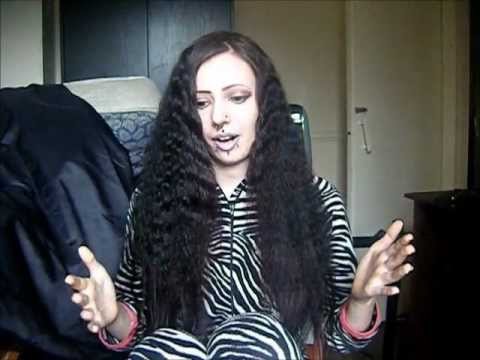
With the help of a video by Toxic Tears, you’ll embark on a journey to uncover the secrets to no-fuss, voluminous hair. Say goodbye to heat damage and complicated styling techniques, and say hello to easy, natural elegance. Take a minute to braid your hair before bed and wake up to stunning style that’s sure to make your day. Delight in the simplicity, and remember to like, comment, and subscribe for more hair inspiration.
Understanding Hair Texture
What is Hair Texture?
Hair texture is the natural pattern or form of your hair, ranging from straight to curly. It’s determined by the shape of the hair follicle, and genetic factors play a crucial role in its development. When exploring hair texture, you’ll notice that it affects how your hair behaves with different styles and products. Understanding it is a journey into your own identity, a discovery of part of what makes you uniquely you.
Types of Hair Texture
There are several types of hair texture, each with its own charming characteristics. You have straight hair, which tends to be shiny and smooth. Wavy hair can range from barely-there waves to loose loops. Curly hair has visible curls that may have a defined S-shape, while coily hair has tightly wound curls or kinks. Each texture presents its own set of challenges and possibilities, offering you a dazzling array of styling options.
Importance of Knowing Your Hair Type
Knowing your hair type is essential for choosing the right styling products and methods. It guides you in selecting the proper care routine that will enhance your natural beauty and health. Recognizing your hair type helps you appreciate and celebrate your individuality. It’s a step toward embracing what naturally belongs to you and learning how to work with it, rather than against it.
The Aesthetics of Fluffy/Wavy Hair
Defining Fluffy/Wavy Hair
Fluffy and wavy hair is defined by its soft, ethereal appearance. It combines volume with movement, giving an effortless yet stylish vibe. This texture is neither completely straight nor tightly curled, offering a perfect balance that many find appealing. It captures light and life, playing with shadow and movement. Fluffy/wavy hair is both playful and sophisticated, making it a treasured look for many.
Why Choose a Fluffy/Wavy Style?
Choosing a fluffy/wavy style can be an expression of creativity and freedom. It’s versatile and suitable for almost any occasion, working well with both formal and casual looks. This style is perfect for those seeking something low-maintenance that doesn’t require constant touch-ups. It allows you to embrace your natural texture, creating an aura of effortless beauty and chic organic style.
Occasions to Flaunt Your Fluffy/Wavy Hair
Fluffy/wavy hair suits a variety of occasions, from elegant gatherings to laid-back brunches with friends. It’s perfect for a day at the beach, a bohemian wedding, or a casual day at the park. Its versatility ensures that you can feel both relaxed and put-together, making it the ideal option for virtually any setting.
This image is property of i.ytimg.com.
Benefits of No Heat Hair Styling
Avoiding Hair Damage
One of the major benefits of no heat hair styling is avoiding damage. Heat from styling tools can strip moisture, causing breakage and weakening your hair over time. By embracing no heat methods, you are respecting the integrity of your hair, leaving it healthier and more resilient. This approach nurtures your hair’s natural strength, which is incredibly rewarding.
Preserving Natural Hair Strength
Preserving natural hair strength is key to beautiful hair. No heat styling methods honor your hair’s inherent nature, keeping it robust and full of life. This approach allows your hair to maintain its elasticity and resilience, contributing to a healthier scalp and strands. It’s a gentle way to care for your hair, respecting its natural beauty.
Long-term Advantages for Hair Health
The long-term advantages of no heat styling are truly compelling. Over time, you’ll notice that your hair retains more of its natural oils, leading to improved texture and shine. Without heat damage, your hair becomes more manageable and less prone to split ends. Ultimately, this practice encourages a healthier relationship with your hair care routine, one that prioritizes well-being and natural beauty.
Preparations for No Heat Styling
Choosing the Right Hair Products
To prepare for no heat styling, selecting the right hair products is essential. Look for nourishing and hydrating options that cater to your specific hair type. Products that emphasize moisture and strength, such as leave-in conditioners and serums, will enhance your hair’s natural texture and support your styling goals. It’s about finding that perfect match that complements your hair’s unique needs.
Importance of Hair Hydration
Hair hydration cannot be underestimated. Proper moisture balance supports healthy hair follicles and prevents breakage. When preparing for any style, especially no heat ones, ensuring that your hair is well-hydrated is key. Hydration is the foundation of vitality in hair, making it more receptive to styling without compromising its health.
Detangling Your Hair
A gentle approach to detangling sets the stage for successful no heat styling. Use a wide-tooth comb or your fingers to gently work through knots. Patience and care at this stage will prevent unnecessary stress on your hair. Detangling is more than a mundane task; it is an act of care and respect for you and your hair.
Braid Techniques for Texture
How Braiding Affects Hair Texture
Braiding is a powerful method for enhancing hair texture. By locking hair into a new pattern, braids can create waves and volume that transform your look without heat. The tighter the braid, the curlier and more defined the waves will be. Conversely, looser braids yield a soft, fluffy result. This versatile technique is an art of its own, offering endless possibilities.
Choosing the Right Braid Size for Desired Look
The size and style of the braid you choose will greatly influence your final look. Larger braids result in voluminous waves, while smaller ones can create frizzier, fuller textures. Consider what you wish to convey through your style, and select braid sizes that align with that vision. It’s an opportunity to personalize your style and express yourself.
Step-by-Step Guide to Creating Braids
Creating braids can be simple and fun. Start by dividing your hair into sections based on the size of the braid desired. Smooth each section and start braiding close to the scalp, working your way down to the ends. Secure with a hair tie. Let the braids set for several hours or overnight before gently unraveling them to reveal beautiful texture. Enjoy the transformation that comes from such a traditional technique.
Alternative Methods: Twists and Buns
Using Twists for Added Volume
Twists are an excellent way to add volume to your hair. They work similarly to braids but create a different texture, offering a unique look. Twisting sections of your hair around each other, and allowing them to set, can create a fuller appearance. This method adds an interesting dimension to your styling repertoire.
How Buns Can Create Waves
Buns are another wonderful tool in your no heat styling kit. Twisting your hair into a bun while it’s slightly damp will allow it to dry in that shape, resulting