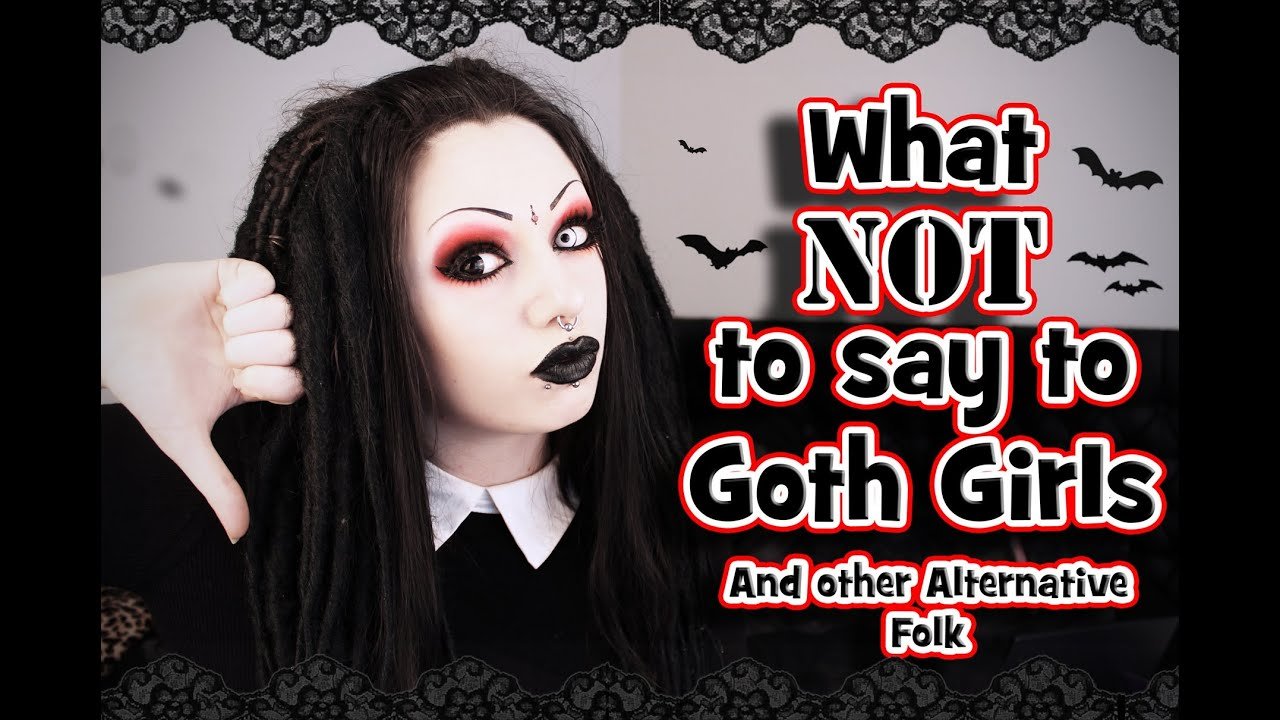
You’re about to explore the amusing world of Toxic Tears, where you get a behind-the-scenes look at what not to say to goth girls and other alternative folks. Packed with snarky responses to some rather silly questions, this playful video is all about having a laugh and embracing the unique culture of the goth community. So, prepare yourself for a lighthearted journey that invites you to see things from a different perspective—one that’s wrapped in a delightful sense of humor.
As you enjoy this quirky take by Toxic Tears, keep in mind that it’s a fun ride meant for everyone to share a giggle and perhaps relate to the experiences shared. The focus here is on bringing the alternative culture to the forefront in an entertaining way, without taking things too seriously. Plus, there’s a reminder to engage with the content by commenting, liking, and subscribing. So, sit back, relax, and allow yourself to be entertained while celebrating the diversity of alternative expressions in style.
Misunderstanding Goth Fashion
Assuming it’s just a phase
You might be tempted to think that someone’s interest in goth fashion is just a passing phase, like a trendy hairstyle or a fleeting affection for a TV show. However, it’s crucial to understand that for many, goth is a deeply personal and enduring expression of identity. It’s not something that you simply “grow out of” like a childhood whim. Instead, goth culture is often a lifelong journey of self-expression, creativity, and embracing individuality. By reducing it to a mere phase, you overlook its profound significance in the lives of those who live it.
Comparing it to Halloween costumes
It’s easy to see why the elaborate makeup and dark clothing of goth fashion can remind you of Halloween costumes. Nonetheless, suggesting that goth attire is akin to dressing up for Halloween can be dismissive and disrespectful. While Halloween is about donning a temporary mask, goth fashion is about revealing one’s true self. It’s a celebration of uniqueness and art, not a costume that one sheds after a night of festivities. So, before you draw that comparison, remember that for goth individuals, their fashion is not a disguise but a canvas of their identity.
Ignoring personal style variations within goth culture
When you think of goth fashion, perhaps you envision a singular, monolithic style: black clothes, pale makeup, and maybe some boots. But that stereotype fails to capture the vibrant diversity within the goth community. There are countless subgenres, each with its own unique characteristics, from cyber goth to romantic goth. By ignoring these variations, you reduce a rich tapestry of personal expression to a bland stereotype. Embracing the diversity within goth fashion allows you to appreciate its creativity and the unique stories of those who inhabit it.
Questioning Goth Girls’ Authenticity
Asking if they’re ‘real goths’
It might seem harmless to ask someone if they’re a “real goth,” but this question carries an implication of gatekeeping that can be hurtful. It suggests that there are certain criteria one must meet to belong to the goth community, undermining the personal journey many undertake to express their identity. Instead of questioning their authenticity, consider appreciating the unique ways individuals express their connection to goth culture, understanding that there is no single blueprint for being a “real goth.”
Suggesting they dress normally
You might think you’re offering helpful advice when you suggest someone should dress “normally,” but this statement often comes across as dismissive of their chosen identity. What is normal, after all, but a societal construct that varies widely across cultures and communities? For many goth individuals, their fashion is a vital part of who they are. Urging them to dress differently can feel like an attempt to erase their identity, rather than an invitation to conform to arbitrary norms.
Doubting their commitment to goth culture
It’s easy to fall into the trap of doubting someone’s commitment to goth culture, especially if they occasionally deviate from stereotypical goth attire or interests. But commitment to a culture is not about adhering to a rigid set of rules; it’s about an ongoing, personal relationship with that culture. People change and grow, and their expressions of identity may shift over time. Rather than questioning their commitment, celebrate the fluidity and evolving nature of individual expression within the goth community.
Making Stereotypical Assumptions
Assuming they worship Satan
One common stereotyping mistake is to assume that goth individuals are involved in unconventional or dark spiritual practices, such as Satanism. This assumption is both inaccurate and potentially offensive. While goth culture may explore themes of darkness and the macabre, it is diverse in its spiritual and philosophical inclinations. The goth community includes people of many different religious and non-religious backgrounds. To truly understand the richness of goth culture, you must look beyond the clichés and appreciate the individual beliefs of each person.
Expecting them to be constantly depressed
Goth culture often embraces themes of darkness, which might lead you to assume that those who identify with it are perpetually sad or depressed. However, this is a simplistic view that does not reflect the complexity of emotions that goth individuals experience. Just like anyone else, they feel joy, happiness, and positivity alongside times of introspection. Rather than expecting a goth individual to fit an emotional stereotype, try to engage with them as a whole person, recognizing the full spectrum of their emotional life.
Associating them with violence or rebellious behavior
The gothic aesthetic, particularly through media portrayal, can sometimes be linked to violence or rebellion. But assuming that goth individuals are inherently violent or seek to rebel in disruptive ways is a harmful stereotype. Most people within the goth community are peaceful and use their style as a form of personal expression rather than a call to arms. The violent and rebellious trope is a fiction often perpetuated by misconceptions or dramatized media narratives. Challenge this stereotype by appreciating the peaceful and creative facets of goth culture.
This image is property of i.ytimg.com.
Inappropriate Comparisons
Comparing them to fictional goth characters
You might be tempted to liken goth individuals to familiar fictional characters like those from movies or TV shows. While these comparisons might seem flattering or funny, they often rely on caricatures that fail to reflect the depth and diversity of real people. Fictional goth characters are typically hyperbolic versions of reality, often designed to fit a comedic or dramatic narrative. Recognize that real goth individuals are not characters in a story but beings with nuanced lives that fiction can never fully encapsulate.
Using mainstream media stereotypes
Mainstream media can often perpetuate clichéd images of goth culture, focusing on the most extreme or sensational aspects. These stereotypes may feed your assumptions, but they don’t represent the true nature of the community. The sensationalism of media narratives often oversimplifies goth culture, ignoring its authenticity and diversity. Look beyond these stereotypes to understand the real-life experiences of goth individuals, and you’ll find a vibrant culture rich with artistry, depth, and compassion.
Referencing outdated goth cliches
You might think you’re being humorous or engaging when referencing tired goth clichés, but these often miss the mark. Ideas like the goth who only listens to The Cure or Joy Division, or who spends every day moping in a cemetery are passé exaggerations. Such clichés fail to acknowledge the evolution and multifaceted nature of goth culture over the years. Rather than relying on outdated tropes, embrace the evolving creativity and varied interests that are prominent within the modern goth community.
Unwelcome Comments About Appearance
Calling their look ‘scary’ or ‘creepy’
When you perceive someone’s appearance through a lens of fear or discomfort, it might come instinctively to label it as “scary” or “creepy.” Yet these descriptors can be hurtful, implying that deviating from conventional aesthetics is something to be feared. For goth individuals, their look is an expression of who they are—not an attempt to frighten others. By appreciating the artistry and intention behind their style, you can foster a more inclusive and respectful atmosphere.
Criticizing their makeup choices
Goth makeup can be bold and striking, with dark hues and dramatic designs. While you might not understand or appreciate these choices, criticizing them openly can be deeply disrespectful. Makeup is a powerful form of self-expression and creativity for many, allowing them to communicate their identity without words. Instead of critiquing someone’s makeup, celebrate their creativity and the confidence it takes to embrace personal style.
Making assumptions based on tattoos or piercings
Seeing tattoos or piercings might prompt you to make assumptions about someone’s lifestyle, beliefs, or character. However, such assumptions are often misguided. Tattoos and piercings are personal and meaningful choices, often reflecting significant experiences or artistic expression. Viewing these features merely through a lens of curiosity or judgment can lead to misunderstandings. Instead, view them as windows into a person’s story, each item carrying its own narrative and significance.
Unsolicited Advice
Telling them how they should dress
You might think you’re being helpful when you offer advice on how someone should dress, but this can come across as dismissive of their autonomy. Personal style is precisely that—personal. It’s a part of who they are and how they choose to engage with the world. Rather than giving unwarranted fashion advice, support their choices and ask questions if you’re genuinely curious. Learn from their fashion journey instead of attempting to steer it.
Offering tips to look more ‘normal’
Suggesting someone should look more “normal” implies that their current appearance is somehow abnormal or undesirable. This kind of advice can be hurtful, as it denies the validity of their chosen identity. Everyone has different definitions of what feels comfortable or right for them. Encourage individuality and celebrate the courage it takes to defy traditional notions of normality in favor of genuine self-expression.
Suggesting they’ll outgrow it
It’s common to presume that people will eventually outgrow their goth identity, much like old fashions or childhood hobbies. However, for many, goth is not something transient; it’s a lasting aspect of their identity. Suggesting they’ll outgrow it can be dismissive and fails to acknowledge the depth and sincerity of their connection to goth culture. Instead, celebrate the journey and evolution of their identity, knowing that true self-expression often defies temporal boundaries.
Debating the Definition of Goth
Arguing about the history of goth culture
Some might engage in debates about the origins of goth culture, seeking to pin down its history or claim authenticity based on era or locale. Yet doing so can often overlook the personal connections individuals have to the culture. Goth is continually evolving, shaped by both its origins and contemporary influences. Instead of engaging in fruitless debates, approach the goth community with a willingness to learn and appreciate its historical richness and modern adaptations.
Insisting on specific music tastes
Music is undeniably woven into the fabric of goth culture, yet it’s a mistake to insist on rigid musical preferences as a qualifier for someone’s goth identity. The diversity of the goth music scene means there’s no single soundtrack. From post-punk to industrial, the scope is vast. Recognize that individual musical preferences are just one piece of the broader tapestry that forms someone’s unique goth expression.
Challenging their knowledge of gothic literature
Goth culture draws some of its aesthetic and thematic elements from gothic literature, yet challenging someone’s knowledge of this genre can feel like a test of their authenticity. Literature, like fashion or music, is just one thread of a complex identity. Instead of quizzing someone on their literary prowess, engage in discussions that celebrate the intersection of literature, art, and personal experience in shaping the goth identity.
Intrusive Personal Questions
Asking why they choose to be goth
Inquiring why someone chooses to embrace goth culture may seem like a harmless curiosity, but it can sometimes come off as intrusive. Such questions may imply there’s something unusual or wrong about their lifestyle, making them feel judged. It’s essential to understand that goth is not just a choice but a personal journey of identity exploration. Instead, open a dialogue that respects their privacy and reflects genuine curiosity about their perspective.
Inquiring about personal life or mental health
Questions about personal life or mental health can be particularly intrusive, especially if they are prompted by stereotypes connecting goth culture with emotional distress. These queries overstep boundaries and can perpetuate misconceptions. Respect individual experiences and stories, understanding that goth identity is not intrinsically linked to one’s mental health or personal struggles.
Prying into their religious beliefs
You might feel tempted to ask about someone’s religious beliefs if you assume these tie into their goth identity. But prying into such personal matters without invitation can be disrespectful. Religious beliefs, like any facet of identity, are deeply personal and varied within the goth community. Approach these topics with sensitivity and respect, acknowledging the diverse spiritual expressions within goth culture.
Misconceptions About Social Life
Assuming they avoid social interactions
It’s a misconception that goth individuals prefer to seclude themselves from social interactions. While some might value solitude, many thrive in social settings, finding joy and community among like-minded individuals. Instead of assuming their social habits, recognize that, like anybody else, goth individuals value relationships and connections that are meaningful to them.
Believing they only associate with other goths
The notion that goth individuals only socialize with others like themselves is a stereotype that limits the understanding of their social dynamics. While common interests often bring people together, goth individuals frequently form friendships beyond the boundaries of their subcultures. Appreciate the complexity of their social networks and the value they place on diverse and inclusive relationships.
Thinking they have a limited lifestyle
The belief that being goth limits one’s lifestyle is a narrow view that fails to capture the richness and variety in goth individuals’ lives. From careers to hobbies, travel to family life, goth people engage in a wide range of activities just like anyone else. Their identity is not a restrictive box but rather an expansive and creative mode of living that adds depth to their experiences.
Conclusion
Understanding and respecting individual expression
In your interactions with goth individuals, prioritize understanding and respect for their expression and choices. Acknowledging the validity of their identity fosters a more inclusive and compassionate community, where diversity is celebrated rather than misunderstood.
Encouraging open-mindedness and acceptance
Embrace open-mindedness and acceptance as you encounter people from all walks of life, including those within the goth subculture. Celebrate the differences that make each person unique and encourage a society that values varying expressions and lifestyles.
Celebrating the richness and diversity within goth culture
Goth culture is nothing short of a tapestry of unique stories and expressions, each thread contributing to its depth and vibrancy. Celebrate the richness and diversity within this community and appreciate the creativity and resilience it embodies in a world that often strives for conformity.