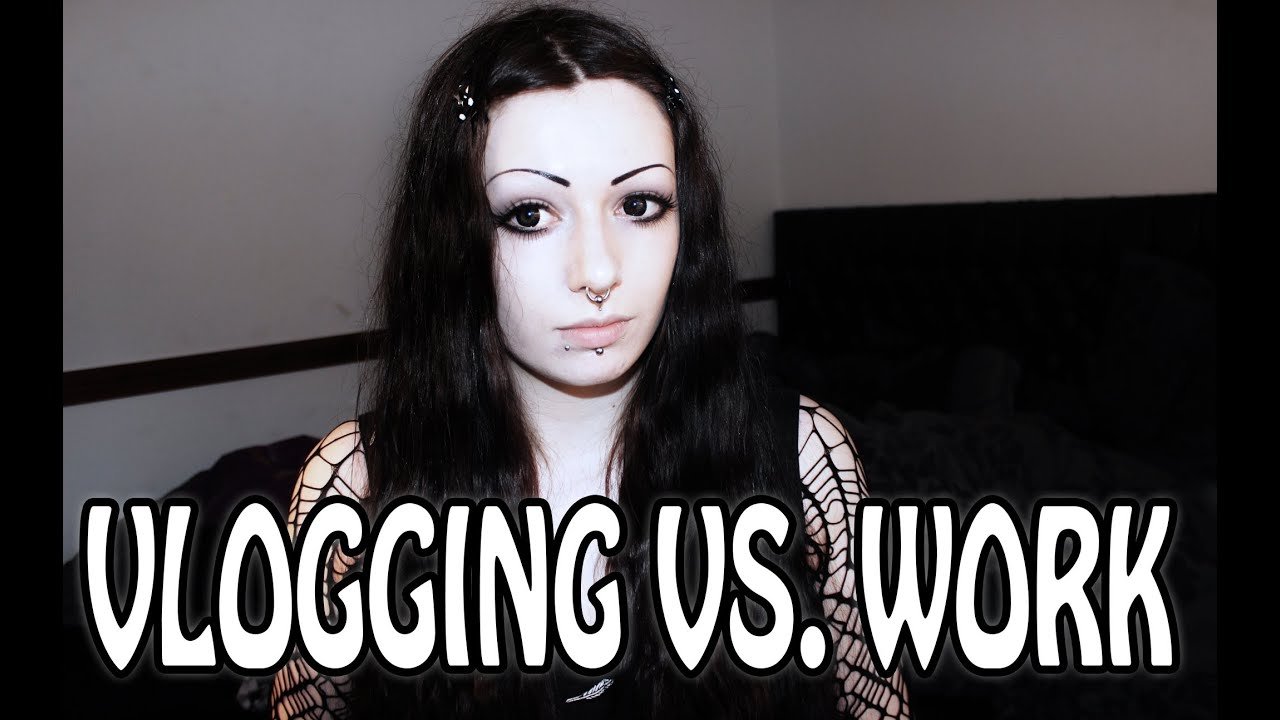
Toxic Tears is here to unravel the thrilling world of vlogging versus traditional work life. You’ll find yourself nodding along as the nuances of content creation and the responsibilities of a regular job are explored. Whether you’re considering a jump into the vlogging sphere or simply curious about the contrasts, this discussion offers an engaging perspective.
Prepare to explore the unique challenges and rewards that come with both paths. From the creative freedom of making videos to the structure and security of a conventional career, you’ll weigh the pros and cons alongside Toxic Tears. Enjoy this journey that may inspire you to reflect on your own aspirations and passions.
This image is property of i.ytimg.com.
The Rise of Vlogging
In recent years, the allure of vlogging has surged, transforming it from a simple hobby into a full-fledged career for many. Vlogging, or video blogging, is the art of creating and sharing videos about one’s daily life, interests, or expertise on platforms like YouTube. As a form of storytelling that feels personal and intimate, it allows vloggers to connect with audiences across the globe in a manner that feels almost one-on-one. This rise marks a significant shift in how content is consumed and created, blurring the lines between personal expression and entertainment.
Origins of Vlogging
Vlogging’s roots trace back to the early 2000s, a time when people first began posting homemade videos online. The advent of platforms like YouTube in 2005 gave this medium a massive boost, allowing creators to upload and share videos with unprecedented reach. The initial content ranged from personal diaries to tutorials and travelogues. This eclectic mix reflected a simple desire to share experiences and information, without the constraints of traditional media. Over time, as cameras and editing tools became more accessible, vlogging evolved into a polished, yet still deeply personal, form of expression.
Popular Platforms for Vlogging
Today, several platforms enable vlogging, each offering unique features that cater to different audiences. YouTube remains the powerhouse, thanks to its wide reach and monetization opportunities. Instagram and TikTok appeal to those favoring shorter content, often packed with creativity and immediacy. Twitch provides a platform mainly for live streaming, attracting gamers and storytellers alike. Each platform comes with its community, engagement methods, and algorithms, shaping how content is created and interacted with.
Impact on Youth and Culture
Vlogging’s impact on youth and culture cannot be overstated. It has created a space where anyone with a camera and internet can voice their opinions and showcase their talents. Many young viewers find inspiration and role models in vloggers, whose stories resonate more than traditional celebrities. Culturally, vlogging has democratized media production, offering diverse perspectives and voices that might otherwise go unheard. It has sparked global trends, set fashion standards, and even influenced language, making it a vital component of modern cultural expression.
Traditional Work Dynamics
While vlogging represents a new age of career possibilities, traditional work dynamics remain a staple of many lives. Understanding these dynamics helps to appreciate the structure, benefits, and challenges inherent in conventional career paths.
Definition of Traditional Work
Traditional work typically refers to employment in established businesses or organizations, conducted in a structured environment. It follows a formal job description, defined roles, and a hierarchy of authority, offering employees predictable schedules and tasks. This type of work often provides job security, consistent income, and physical workspaces, in stark contrast to the fluid nature of vlogging.
The 9 to 5 Culture
The 9 to 5 work culture epitomizes the structure of traditional jobs. Rooted in a fixed daily schedule, it dictates working hours that align with societal norms and institutional operations. This routine offers predictability and clear boundaries between work and personal life. For some, it represents stability and order, while for others, it may feel restrictive, prompting a desire for more flexibility, like what is found in vlogging and other non-traditional work arrangements.
Career Stability and Benefits
Stability in traditional work is often intertwined with financial benefits and job security. Employees can expect regular paychecks, health insurance, retirement benefits, and opportunities for career advancement. Large organizations provide structured development programs and promotions, reinforcing a sense of career progression. These stability aspects make traditional work appealing, offering a safety net that vlogging, with its inherent uncertainties, often lacks.
Vlogging as a Career
For those who venture into vlogging as a career, the journey is both exciting and fraught with uncertainties. Unlike traditional jobs, vlogging requires navigating a diverse landscape of content creation, audience engagement, and monetization strategies.
Monetizing Your Vlog
Monetization is a critical aspect of turning vlogging from a hobby to a viable career. It involves generating income through advertisements, sponsorships, brand deals, and merchandise sales. Vloggers can partner with platforms like YouTube, which offer ad revenue based on views and clicks, or with brands seeking influencer collaborations. However, monetizing requires building a substantial audience, maintaining engagement, and constantly adapting content to stay relevant and appealing.
Stability and Income Streams
While vlogging offers the allure of potentially high earnings, income streams are often unpredictable and fluctuate based on changes in viewership, platform algorithms, and market trends. Successful vloggers diversify their income sources, combining ad revenue, donations from platforms like Patreon, and merchandise sales to create financial stability. This diversification can mitigate risks, but the constant need for fresh content and audience engagement can be demanding.
Challenges Faced by Vloggers
Vlogging comes with its unique set of challenges. Content creation requires creativity, consistency, and resilience. Vloggers face intense competition, algorithm changes, and platform policy shifts. The pressure to maintain relevance and authenticity can lead to burnout. Privacy issues and negative comments from audiences also add stress. Balancing personal life and public persona is crucial, as the line between the two can blur, impacting mental well-being.
Comparative Work-Life Balance
The comparison between vlogging and traditional work often centers around work-life balance, with each offering distinct experiences in terms of flexibility, routine, and personal well-being.
Flexibility in Vlogging
One of the appealing aspects of vlogging is the flexibility it offers. Vloggers set their schedules, decide the content they create, and choose their working environments. This autonomy allows them to balance personal commitments and pursue passions without the constraints of a traditional work schedule. Flexibility can lead to greater satisfaction and creativity, although it requires strong time management skills to avoid becoming overwhelmed.
Routine and Structure in Traditional Jobs
Traditional jobs provide a structured routine that brings consistency and predictability, which can be comforting for many. The separation between work and home life is clearer, offering designated times for rest and leisure. This routine supports regular interactions with colleagues, fostering a sense of community and collaboration. However, the fixed schedule might limit personal freedom, especially for those with creative or entrepreneurial inclinations.
Impact on Personal Life and Well-being
Work-life balance significantly impacts personal life and well-being, irrespective of career choice. Vloggers may enjoy flexibility but face challenges in setting boundaries between personal time and work commitments. Traditional workers benefit from a clear separation but might struggle with time constraints. Personal fulfillment often depends on aligning career choices with individual values and lifestyle preferences, regardless of the path taken.
Skill Sets Required
Both vlogging and traditional careers demand unique skill sets, although there are transferable skills that bridge the gap between these diverse career paths.
Technical Skills Needed for Vlogging
Successful vloggers must master various technical skills, including video editing, storytelling, and social media management. Proficiency in using cameras, lighting, and sound equipment is essential for creating high-quality content. Understanding analytics and marketing strategies helps vloggers grow their audience and monetize their content effectively. These technical skills, alongside creativity and adaptability, form the backbone of a thriving vlogging career.
Skill Sets for Traditional Jobs
Traditional jobs require a blend of technical and soft skills. Competence in industry-specific tools and practices is essential, along with communication, teamwork, and problem-solving abilities. Organizational skills, time management, and adaptability are also vital, ensuring employees can navigate the demands of hierarchical work environments and contribute to their organization’s success.
Transferable Skills between Both Fields
Several skills are transferable between vlogging and traditional careers, offering flexibility for those considering career shifts. Creativity, communication, and project management are critical in both domains. Resilience, adaptability, and networking skills support career growth, whether leveraging online platforms or navigating corporate ladders. Understanding digital tools is increasingly valuable across all fields, underscoring the growing convergence of technology in various careers.
Social Perceptions
Social perceptions of vlogging and traditional careers influence societal attitudes and individual choices, shaping the narratives around prestige, success, and work identity.
Societal Views on Vlogging
Societal views on vlogging vary widely, often influenced by generational perspectives. Younger audiences may view vlogging as an innovative and legitimate career path, while older generations might perceive it as a fad or hobby. However, as the industry grows, vlogging is gaining recognition for its influence and financial potential. Some skepticism remains, but attitudes are gradually shifting as more people succeed in this unconventional arena.
Prestige and Perception of Traditional Careers
Traditional careers have long carried prestige, associated with stability, respect, and societal contribution. Roles in medicine, law, and finance, in particular, are esteemed, reflecting the education and expertise they require. This perception is rooted in historical values and societal structures that prioritize tangible achievements and consistent economic contribution.
Evolving Attitudes Towards Non-Traditional Work
Attitudes towards non-traditional work like vlogging are evolving, fueled by technological advancements and changing workforce dynamics. People are increasingly valuing creativity, personal fulfillment, and work-life balance, making unconventional careers more appealing. As success stories emerge from vlogging and other digital enterprises, societal recognition of these career paths grows, expanding the definition of work success.
Financial Considerations
Financial considerations are paramount in comparing vlogging with traditional careers, encompassing earning potential, salaries, and financial security.
Earning Potential in Vlogging
Vlogging can offer substantial earning potential, especially for those who amass large followings. Top-tier vloggers earn millions through ads, sponsorships, and merchandise, rivaling traditional entertainers. However, earnings are often volatile and directly tied to audience engagement and market trends. Building a diverse portfolio of income streams is crucial to mitigate economic fluctuations inherent in this field.
Salaries in Traditional Work
Traditional jobs provide stable and predictable salaries, often accompanied by benefits like health insurance and retirement plans. Earnings vary based on industry, role, and experience, with some fields offering lucrative opportunities for advancement. This financial stability appeals to those seeking a secure and consistent income, although it might lack the earning extremes possible in vlogging.
Financial Security and Risks
Financial security and risks differ between vlogging and traditional careers. Vloggers face income variability and the need for continuous engagement to maintain revenue streams. Traditional roles offer security through fixed salaries and benefits but may lack the potential for exponential growth. Ultimately, financial fulfillment depends on one’s risk tolerance and resource management, underscoring the importance of strategic planning in choosing any career path.
Health Implications
Health implications are key factors in evaluating the impact of vlogging versus traditional careers, affecting physical and mental well-being.
Stress Levels in Vlogging
Vlogging, despite its flexible nature, can induce significant stress. The pressure to produce regular content, maintain audience engagement, and manage online persona contributes to this stress. Vloggers often face criticism and scrutiny, which can impact mental health. Balancing the dual demands of personal life and public visibility is challenging but essential for maintaining well-being in this career.
Physical Strain of Office Jobs
Traditional office jobs come with their own set of health challenges, particularly physical strain from prolonged sitting and screen time. This sedentary lifestyle can lead to musculoskeletal issues, eye strain, and other health concerns. Regular breaks, ergonomic workspaces, and physical activity are vital strategies for mitigating these risks, highlighting the importance of workplace wellness initiatives.
Mental Health Considerations
Both vlogging and traditional roles impact mental health, albeit in different ways. Vloggers navigate the pressures of public scrutiny and content creation, while traditional workers deal with workplace stress and rigid schedules. Mental health support, such as counseling and stress management techniques, is crucial in both fields to foster resilience and promote a healthy work-life balance.
Long-term Viability
When considering a career path, evaluating its long-term viability is crucial, encompassing sustainability, advancement opportunities, and future trends.
Sustainability of Vlogging as a Career
The sustainability of vlogging as a career depends on market trends, platform evolution, and personal adaptability. As digital consumption grows, opportunities in vlogging may expand, but content saturation and changing algorithms pose challenges. Successful vloggers must continually innovate, diversify income, and engage audiences to maintain relevance and a sustainable career trajectory.
Career Advancement in Traditional Jobs
Traditional jobs offer structured paths for career advancement, with clear hierarchies and performance metrics paving the way for promotions and leadership roles. Professional development programs and continued education opportunities enhance skills and career growth, providing pathways to increased responsibility and compensation. However, the rigidity of traditional structures may limit creative expression and adaptability.
Future Trends and Job Security
Future trends indicate a convergence of technology and career evolution, impacting both vlogging and traditional work landscapes. Job security may shift as automation and artificial intelligence reshape industries, requiring skills adaptation and continuous learning. Non-traditional careers like vlogging may see greater integration into mainstream economies, emphasizing creative, digital, and interpersonal skills to navigate this dynamic future.
Conclusion
Summary of Key Comparisons
Comparing vlogging and traditional careers presents diverse perspectives on work life, from flexibility and creativity to stability and structure. Each path offers distinct advantages and challenges, reflecting varying values, lifestyle preferences, and risk tolerances. As the professional landscape evolves, both paths contribute uniquely to personal and societal growth.
Personal Choice and Individual Preferences
Ultimately, the choice between vlogging and traditional work hinges on personal preferences, lifestyle needs, and career aspirations. Understanding one’s values and goals is essential for making informed decisions that align with desired work-life balance, financial expectations, and personal fulfillment. Embracing diverse paths can enhance career satisfaction and adaptability.
Future Speculations and Advice
Looking ahead, the intersection of technology and work suggests a future rich with opportunities for innovation and creativity. Aspiring vloggers and traditional workers alike should embrace lifelong learning, adaptability, and resilience to thrive in this changing landscape. Balancing passion with practicality ensures both personal joy and professional success, as society continues to redefine the essence of work itself.